Flowing Fields: Smarter Work and Less Waste on Small Farms

Welcome! Today we dive into workflow mapping and waste reduction techniques for small-scale farms, translating lean ideas into soil-under-your-nails practice. Together we will draw clear pathways from field to wash-pack, expose hidden backtracking, and replace chaos with calm, repeatable routines. Expect practical tools, human stories, and simple experiments you can run this week. Share your current bottlenecks, subscribe for field-tested tips, and help fellow growers compare notes so every hour invested produces more flavor, resilience, and joy.

Draw the Flow, See the Farm Anew

When you sketch the journey from seed to customer, the fog lifts and hidden friction shows itself. A carrot moves through soil prep, seeding, weeding, harvest, wash, pack, and delivery; drawing that path on one page reveals crossings, loops, and delays. Even a quick whiteboard session with colored arrows can uncover long walks for forgotten crates, crowded wash tables, or repeated sorting. Capture the current reality without judgment, invite every voice, and prepare to discover easy wins lurking in plain sight.

Eight Kinds of Waste in Plain Farm Language
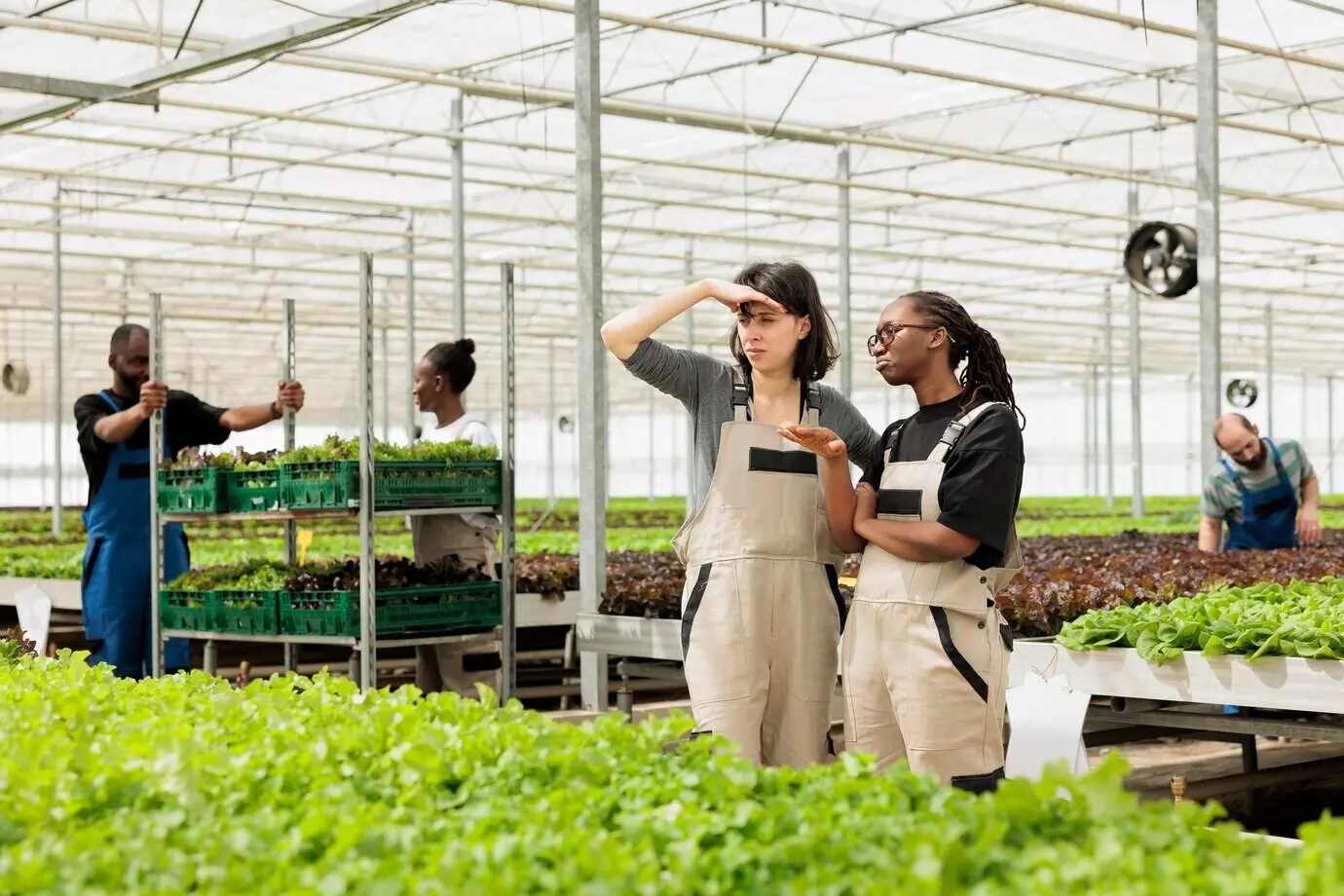
Waste hides in friendly disguises on small farms: busy hands, full sheds, and stacked crates can signal care, yet also mask effort that creates no value. Translating the classic eight wastes into everyday farm language helps everyone spot and fix them together. Less motion and fewer delays mean crisper greens, safer bodies, and happier customers. Treat each category like a lens, not a scolding; look, learn, and choose one or two to shrink this month without adding complexity.
Motion is a worker hunting for labels; transportation is a crate hauled twice. Both tire bodies without improving quality. Put supplies where hands naturally reach, keep rolling surfaces level, and bundle movements so items move once, gently, forward. On one two-acre operation, placing bands at harvest carts eliminated dozens of pocket digs per bed. Fewer micro-motions compound into real stamina by noon, saving wrists, backs, and patience while protecting delicate leaves from avoidable handling.
Waiting wears many faces: a line at the only rinse table, a delivery van stuck behind a tractor, or seedlings ready before beds are prepped. Overproduction creates its own waiting when coolers overflow and quality declines. Align seeding calendars, equipment availability, and delivery slots with realistic capacity. Smaller, more frequent harvests can protect freshness, steady cash flow, and morale. When something must wait, give it a safe home and a clear time limit, then adjust upstream planning.
Soft heads, mislabeled bunches, and muddy roots demand rewash, reshuffling, or discounts that drain margin. Build in quality at the source with simple specs, photo examples, and clear grading stations. Calibrate knives, brush washers, and scales so outcomes are consistent without heroics. One farm taped sample bunches above the table, cutting rework in half while training new hands faster. The cheapest fix is prevention: good edges, steady water pressure, and patient sorting before items meet the bag.

Tools That Make Work Visible

Practical mapping tools create shared clarity without corporate jargon. Value stream maps trace how time divides between actual handling and waiting; spaghetti diagrams expose chaotic travel; time studies reveal small, repeatable improvements that add up. None require fancy software. Clipboards, markers, and a respectful attitude beat spreadsheets alone. The point is to see what is really happening, invite honest feedback, and design changes that fit your scale and season. Every tool is an invitation to collaborate and learn.
Pick one crop and follow it from first cut to cooler. Time each step, note inventory piles, and mark delays in bright color. You may find two minutes of touching per head and ten minutes of waiting, which suggests rebalancing tables or adding a dunk tank. Keep the first map rough and helpful rather than perfect. Revisit after small adjustments and celebrate measurable gains, like shaving five minutes per crate while delivering cleaner, brighter product to loyal customers.
You do not need stopwatches or stress to learn. Count how many bunches leave the table in ten minutes with normal posture and breathing. Rotate tasks to keep bodies fresh, then compare output only to your previous self. Use the data to set gentle, achievable targets, not to squeeze people. A few steady baselines reveal where better tools, sharper blades, or improved layout will deliver comfort and consistency while protecting quality that commands repeat orders week after week.

Layouts, Paths, and Smarter Placement

Good layout is quiet kindness for bodies and crops. Straight paths, clear zones, and gravity-friendly setups shorten distance and reduce handling damage. Aim for steady flow: dirty in on one side, clean out on the other, with no backtracking. Place the heaviest lifts close to the work, and keep hands, water, and air moving in one direction. Clear line of sight beats complex signage. Small farms thrive when every step feels obvious, safe, and inch-by-inch more efficient.

Wash and Pack, Designed for Flow

Let gravity help. Position totes to drop from dunk to drain to pack without lifting over obstacles. Sloped tables, perforated bins, and trays at consistent heights protect wrists and crops. Keep water sources and hoses tidy to prevent tangles that slow rhythm. One grower added a simple drip station using old racks, saving towels, time, and frustration. Flow matters more than fancy gear; arrange stations so the work invites the next step naturally and prevents accidental backtracking.

Tools Live Where Work Happens

Mount frequently used tools on shadow boards near the task, not just in the barn. Color code by area, label with big letters, and keep duplicates of small essentials in mobile kits. A hand-cart with bands, snips, and labels saves hundreds of micro-marches. Simple leash cords keep markers from vanishing into pockets. When everything has a trusted home and returns there after use, mornings start calmer, training gets easier, and the field hums with confident, steady movement.
Standard Work That Teaches Without Speaking

Write and post the current best method for a task, including safety, quality checkpoints, and what to do when something goes wrong. Photos at eye level near the station help new hands succeed on day one. Keep it short, friendly, and editable with a marker. Invite workers to suggest changes after trying them. Rotating roles with clear standards prevents bottlenecks when one person is absent and lifts the average while honoring individual strengths and pacing across the team.

Kanban Cards for Seeds, Bands, and Boxes

Run out once, then never again. Create simple two-bin systems or reorder cards for consumables that halt flow when missing. Place the reorder signal at the point of use, include vendor and quantity, and schedule a weekly check. The system should survive a hectic Saturday without memory. One microfarm cut emergency errands dramatically by taping bright cards to the last sleeve of labels. Reliable supplies underpin reliable promises, protecting delivery windows and preserving calm when weather tests patience.

Visual Boards That Trigger Timely Action

Use a single board to show today’s harvest list, who is on which task, and when each crate must hit the cooler. Green magnets for done, yellow for in progress, red for help needed keep communication flowing without shouting. Add a small corner for improvement ideas and celebrate any that stick. Visibility turns pressure into teamwork, shortens idle time, and makes handoffs smoother. Customers feel the difference when the van leaves on time and produce arrives singing freshness.
Use Less, Save More, Grow Better

Waste reduction protects margins and ecosystems at the same time. Treat scraps as future fertility, packaging as a storytelling choice, and water as a shared gift. Tight loops and thoughtful substitutions can lighten bills without compromising quality. Start with the most annoying waste your crew feels daily, then pick one environmental win that also saves effort. As costs fall and pride rises, share your results with neighbors and markets, building community resilience alongside dependable, delicious weekly harvests.

Compost, Culls, and Creative Reuse

Divert culls to value where possible: seconds for soups, donations for goodwill, or animal feed with safe handling. Keep a clean separation so food safety remains strong. Compost systems should sit close to wash-pack to minimize carrying time. Reuse sturdy totes and rubber bands thoughtfully, and repurpose pallets into drying racks. Each loop tightened reduces dumpster costs and clutter. Track pounds diverted for a month and share the number proudly; customers love supporting farmers who steward resources wisely.

Water and Energy That Work Harder

Low-flow nozzles, leak checks, and timer-controlled irrigation save water without stressing crops. Insulate coolers, maintain door seals, and pre-cool rooms before big harvests to protect product while trimming kilowatt hours. Consider shade cloth where sun drives unnecessary heat into work areas. Small solar additions can power lights or pumps reliably. Measure before and after to focus investments where payback is clear. Your future self will thank you during heat waves when systems respond steadily and affordably.

Packaging That Fits the Purpose

Right-size containers protect produce and reduce air shipped to customers. Choose recyclable or compostable options where they actually get processed locally, and communicate your choices to buyers clearly. Standardize a few sizes to speed packing and inventory. Simple labeling that resists moisture prevents rework. Conduct a one-week trial switching one item to a lighter package and track time, damage, and feedback. Savings often appear as less fiddling, faster stacking, and a cooler that holds more with less strain.


Measure Progress and Keep Improving

Improvement sticks when it is small, shared, and visible. Choose a handful of measures that matter to you, post them where work happens, and review them briefly during weekly huddles. When something slips, run a quick experiment rather than blame. Tie the numbers to better mornings, fresher greens, and lighter bodies, not spreadsheets alone. Invite subscribers to share their own experiments, and trade notes on what traveled well from one farm to another across soil, climate, and crew size.
Vezimuloxexuzalizune
Privacy Overview

This website uses cookies so that we can provide you with the best user experience possible. Cookie information is stored in your browser and performs functions such as recognising you when you return to our website and helping our team to understand which sections of the website you find most interesting and useful.