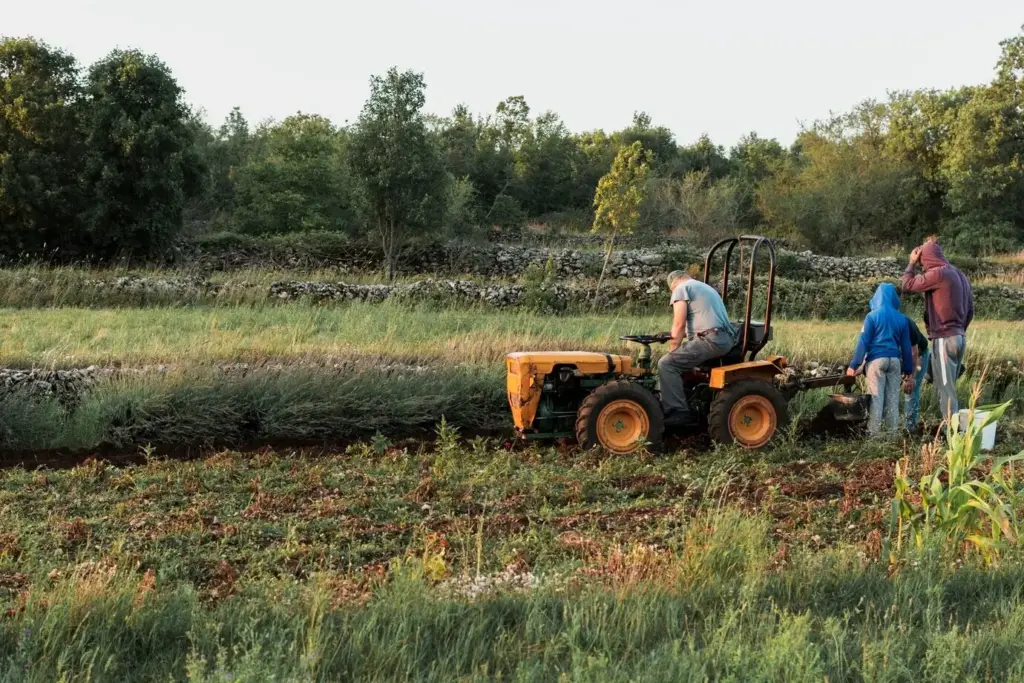
Build Smarter Tools for a Smaller Farm

Today we dive into DIY tool fabrication and modifications for compact farm operations, turning simple materials and clear thinking into implements that work as hard as you do. We will explore planning, safety, material choices, modular designs, and power systems tailored to small tractors, walk-behind units, and hand tools. Expect practical stories, measured results, and transparent costs that help you move faster, harvest cleaner, and reduce fatigue. Share your questions, subscribe for build notes, and show us your tweaks so every pass down the row becomes smoother, safer, and more profitable.

Start with Needs, Not Metal

Before striking an arc or cutting steel, anchor your ideas in the daily rhythm of your fields. Clarify which tasks slow you down, where labor spikes, and how soil, crop spacing, and bed widths shape constraints. By mapping bottlenecks, seasonal peaks, and ergonomic strain, you will build tools that remove real pain points rather than adding complexity. This approach keeps budgets honest, timelines realistic, and results measurable, so improvements compound and confidence grows with each carefully designed pass.

Choosing Steel and Thickness for Real Loads

Match tube size, wall thickness, and gusseting to forces you can estimate from soil draft, leverage, and vibration. Overbuilding adds weight that steals traction and exhausts operators. Underbuilding invites flex and cracks at heat-affected zones. Use test coupons to practice welds, then load frames with concrete blocks before field work. Listening for creaks, watching for deflection, and checking bolt elongation teach more than spreadsheets, especially when you need rugged reliability from minimal material.

Salvage Smart: Where to Find Useful Parts

Scan scrap yards for straight tubing, plate offcuts, pillow blocks, sprockets, and clean angle iron. Retire old bikes for hubs and chains, and rescue cultivator shanks from fence lines. Verify integrity before reuse, rejecting cracked castings and bent shafts. Wire-wheel surfaces, check bearings, and measure true. Salvage saves money and unlocks creative geometry, yet demands discipline to avoid dragging home clutter. Keep a labeled inventory, and design around repeatable, replaceable parts, not rare oddities.

Fasteners, Bushings, and Corrosion Protection

Standardize on common bolt sizes and grades, stocking nyloc nuts, washers, and hitch pins. Use bushings or bronze sleeves where wear concentrates, and add grease fittings to keep motion smooth. After cleaning with acetone, apply zinc-rich primer and durable enamel, or cold galvanize high-abrasion areas. Paint bright for visibility and easier crack detection. A predictable hardware system accelerates field repairs, while systematic corrosion control preserves welds, protects threads, and keeps moving parts friendly through wet seasons.

Welding Choices and Joint Design

Select MIG for speed and accessibility, stick for outdoor repairs, and TIG for thin or stainless parts. Bevel thick joints, control heat input, and stagger beads to limit warp. Add gussets only where load paths demand them. Grind starts and stops, then dye-check suspect areas. Practice on scrap until beads wet in consistently. Thoughtful joint design and honest bead quality beat decorative welds, delivering frames that stay true under vibration, rocks, and hard turns at headlands.

Drilling, Tapping, and Clean Holes

Center-punch accurately, pilot-drill, and step up to final size with cutting fluid. Deburr both sides so bolts seat flush, and chase threads gently to prevent galling. Keep a sharp bit index and a rigid vise on the drill press. For elongated slots, use a mill or controlled file work with layout dye. Clean, concentric holes reduce creep, maintain alignment, and keep adjustable parts moving freely, which matters greatly when you fine-tune row spacing between varieties mid-season.

Jigs, Squares, and Alignment

Build simple jigs from plywood or angle to set repeatable hole patterns, bracket angles, and shank spacing. Check diagonals and shim as needed before tacking. Sequence welds to resist pull, and validate with a straightedge after cooling. For rotating assemblies, use dial indicators or patient eye-lines against reference edges. Alignment prevents chatter, bouncing, and drift, saving plants and nerves. A few extra minutes with a square protects dozens of future hours otherwise lost to frustrating corrections.

Designing Modular Implements for Compact Platforms

Compact tractors and walk-behind units shine when tools attach quickly, adjust precisely, and store small. Design around quick-hitch standards, modular toolbars, and replaceable wear parts. Keep weight near the hitch, distribute loads evenly, and preserve sightlines for delicate work. Swap heads in minutes to jump from bed shaping to cultivation without wasting daylight. Modular thinking reduces clutter, multiplies capability, and lets a tiny shed hold a remarkably capable fleet that evolves as your crop plan shifts.

Quick-Attach and Hitch Standards That Save Minutes

Adopt compatible patterns like Category 0 or 1 dimensions, pin sizes, and tongue heights, or BCS mounting plates for walk-behind units. Design hooks and alignment cones that let one person hitch safely. Color-code pins and label torque specs. When couplers and parking stands line up predictably, the crew swaps implements confidently between beds, capturing tight weather windows. Consistency turns small horsepower into big productivity by eliminating fumbling, strain, and dangerous improvisations at the end of each row.

Adjustability for Soil, Crop, and Operator Fit

Incorporate slotted holes, telescoping tubes, and indexed collars so shanks, shoes, and wheels move with intention. Mark repeatable settings for different beds and varieties, then log them on laminated cards. Adjust handle heights and lever throws to match operator stature and field conditions. When tools adapt instantly, you protect seedlings, reduce wheel slip, and maintain straight rows even as moisture and residue change. Precision adjustability builds confidence, and confidence keeps passes fast without sacrificing crop quality.

Fold, Stack, and Store in Tight Spaces

Design foldable wings, removable handles, and stacked modular heads that hang on dedicated wall racks. Add skids or dollies for easy rolling across gravel. Protect edges with caps and label every component. Smart storage preserves calibration, prevents rust traps, and keeps traffic lanes clear. When the shed stays tidy and everything has a parking spot, tools get used more, lost time disappears, and you can scale capability without building a bigger building or cluttering tractor aisles.

Power, Motion, and Ergonomics on a Small Scale

Small platforms demand clever motion, not brute force. Translate modest PTO, belt, or electric power into controlled action with proper ratios, guarded drives, and balanced frames. Favor simple linkages, micro-hydraulics, or cable pulls where hoses and pumps would overwhelm. Shape handles and pedal forces to match real bodies, gloved hands, and long days. Good ergonomics multiplies horsepower by preventing fatigue, so operators stay sharp, rows stay straight, and every pass finishes strong despite tight margins and weather pressure.

Field-Proven Builds and Honest Lessons

Real farms teach what CAD cannot. These builds grew from muddy boots, late-night fixes, and careful measurements after storms. Expect wins and missteps, because failures teach geometry faster than lectures. Each story shares materials, dimensions, costs, and revisions you can adapt. Celebrate improvements, note wear points, and capture settings. Ask questions, share your photos, and tell us what you changed. Together we refine practical tools that kick dust, save minutes, and protect fragile leaves when the clock is unforgiving.

Maintenance, Upgrades, and Community Knowledge

Tools are living projects. A simple inspection routine, honest failure analysis, and small upgrades keep them dependable and evolving. Document settings, part numbers, and torque specs so new crew members maintain standards. Photograph builds, share drawings, and trade ideas with neighbors and online groups. When repairs are quick and knowledge flows, downtime shrinks and improvements compound. Invite questions, subscribe for full plans, and show your field results so we can celebrate progress and refine the next iteration together.
Vezimuloxexuzalizune
Privacy Overview

This website uses cookies so that we can provide you with the best user experience possible. Cookie information is stored in your browser and performs functions such as recognising you when you return to our website and helping our team to understand which sections of the website you find most interesting and useful.