Shared Machines, Stronger Harvests

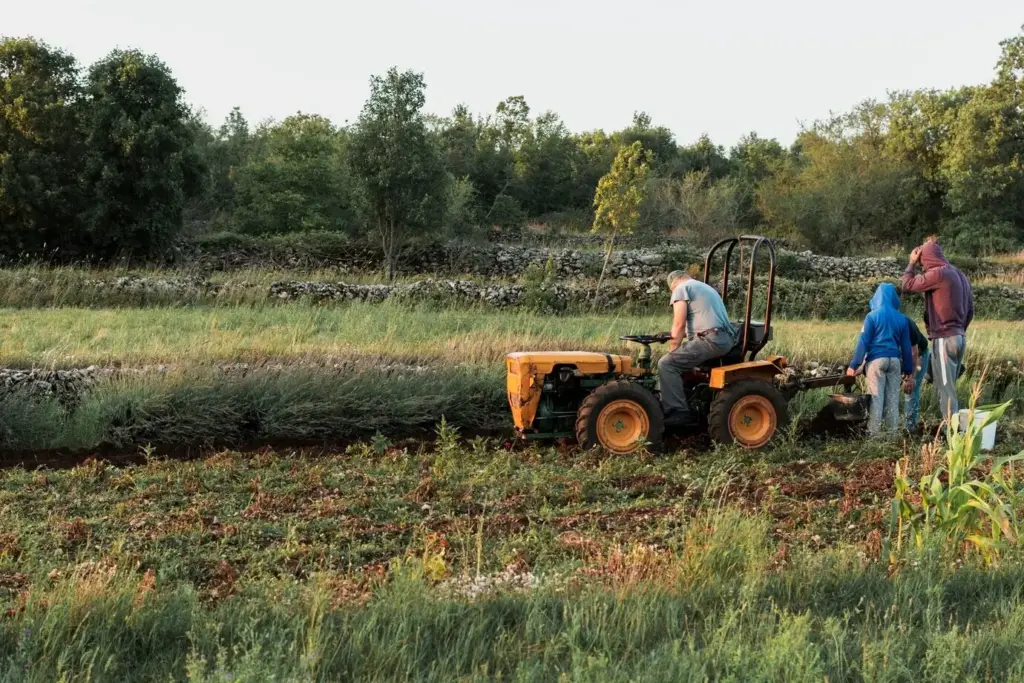
Today we explore cooperative equipment sharing models for neighborhood microfarms, showing how pooled tractors, implements, wash-pack gear, and hand tools unlock productivity, cut costs, and strengthen relationships. Expect practical frameworks, candid lessons, and actionable checklists to help your block, cul‑de‑sac, or village grow more food with fewer barriers. Share your questions, local experiments, and creative fixes so we can refine these approaches together and support resilient, abundant, community-rooted agriculture.

Why Sharing Beats Owning Alone

Small farms wrestle with high capital costs, seasonal peaks, and machines that sit idle between short bursts of intense work. By pooling equipment, neighbors turn sunk costs into shared capacity, reduce financial stress, and accelerate learning. The result is more cultivated beds, better timing on critical tasks, and a stronger safety net when breakdowns happen at the worst possible moments.

Lower Barriers to Start

Access to a walk-behind tractor, flame weeder, or greens harvester can be the difference between staying stuck and scaling up. When the buy-in is shared, new growers get a fair shot at precise bed prep, timely transplanting, and clean washes, while focusing scarce funds on seeds, soil health, and market relationships that pay back faster.

Higher Utilization, Smarter Spending

Most farm machines are needed intensely for a few hours, then wait around for days. Sharing makes those peak windows count for everyone, keeps machines moving, and stretches each dollar invested. You end up buying fewer tools overall, choosing better quality, and building a schedule that respects the weather, the crops, and each grower’s rhythm.

Community Resilience and Knowledge Flow

Shared gear pulls people together around maintenance days, safety walkthroughs, and quick troubleshooting chats. That regular contact sparks idea exchange, informal apprenticeships, and neighborly backup plans when a motor won’t start or a storm is closing in. Relationships become as valuable as the machines, keeping momentum when challenges pile up.


Structures That Make Cooperation Work

Clear agreements and fair governance keep goodwill alive. Different neighborhoods thrive with different structures, from democratic cooperatives to tool libraries with training programs. The common thread is simple rules, transparent decision-making, and routines that make it easy to book, use, maintain, and replace equipment without arguments undermining the shared vision.

Transparent Usage-Based Fees

Set hourly or half-day rates that reflect real costs, including blades, belts, and the occasional professional service. Use an easy booking ledger or app so charges are visible, predictable, and fair. When people know what they’ll pay and why, trust rises and last-minute scrambles shrink.

Maintenance and Depreciation Funds

Skim a small percentage from every booking into two buckets: immediate maintenance and long-term replacement. Publish balances and upcoming needs, from tires to a new pump. That steady trickle prevents urgent fundraisers, keeps machines safe, and gives the group confidence to plan larger, smarter purchases together.

Insurance, Liability, and Waivers

Group policies can be surprisingly affordable, especially when paired with safety training and verified checklists. Require signed waivers, competency sign-offs, and emergency contacts. Insurance may never feel exciting, yet it protects friendships, livelihoods, and the shared investment when a mishap calls everyone’s preparedness into question.

Logistics: Booking, Transport, Care

From calendar conflicts to trailer hitches, logistics make or break sharing. A clear booking cadence, realistic pickup windows, and defined turnaround times reduce friction. Standardized maintenance routines, spare parts on hand, and a tidy storage hub keep equipment ready, safe, and easy to find when the weather window opens.

Tech That Helps Without Taking Over

Digital tools should remove friction, not add headaches. Lean solutions like shared spreadsheets, QR-tagged checklists, and hour meters can track usage, costs, and service intervals with minimal training. Choose tech that the least tech-savvy member can use confidently on a muddy, busy morning.

QR Codes and NFC Tags

Stick a scannable tag on every tool leading to quick guides, checklists, and the booking link. Scans log who used what and when, building a reliable history. This lightweight approach turns phones into friendly manuals and reduces avoidable mistakes caused by guesswork.

IoT Sensors and Hour Meters

Simple meters record runtime for fair billing and timely service. Optional sensors can flag overheating, low oil, or battery issues before they become costly failures. Start small, prove the value, then expand where the data clearly improves safety, uptime, and budgeting accuracy.

Stories from the Field

The Three-Block BCS Collective

Three growers split a walk-behind tractor and power harrow, then aligned bed widths. Within one season, they halved prep time, synchronized plantings, and shared a spare belt kit that saved a Saturday. Their biggest discovery: weekly fifteen-minute huddles prevented ninety-minute headaches.

The Quiet Revolution of a Shared Wash-Pack

Five households built a small, sanitary wash area with tables, totes, and a greens spinner. Shared standards for cleanliness and labeling improved market presentation overnight. They added a simple scheduling board, cut bottlenecks, and found joy in debriefing while drying salad for the evening CSA.

Disagreements, Resolved With Harvest Pizza

A conflict erupted over late returns during a heatwave. The group paused bookings for one evening, shared pizza, and rewrote their late-policy with grace periods and backup tools. The conversation restored trust, and the revised process prevented the same problem the following month.

Scaling, Equity, and Inclusion

As more neighbors join, fairness and access matter as much as horsepower. Thoughtful rules protect tiny plots from being crowded out, while training tracks welcome new growers. Federated clusters can share rare tools regionally without losing the intimacy that keeps local cooperation alive.

Fair Access for Tiny Plots

Cap peak-time bookings per member and prioritize quick, essential tasks for very small sites. Offer off-peak discounts and encourage tool swaps that fit their scale. Equity-focused rules ensure the smallest growers gain real value, not just the leftover windows no one else wants.

Onboarding New Growers and Youth

Create a step-by-step path: orientation, shadowing, safety sign-off, supervised first booking, then independent use. Pair newcomers with mentors and celebrate milestones. Youth crews can log time-bank credits while learning tool care, building a pipeline of confident operators and future stewards for the collective.

From Neighborhood to Foodshed Network

Link nearby collectives to loan specialty gear like root washers, broadfork wheels, or compost screeners. Shared calendars reveal underused capacity, and inter-group agreements standardize deposits, training, and transport. Start with a pilot exchange, measure outcomes, and scale deliberately without losing local voice.
Vezimuloxexuzalizune
Privacy Overview

This website uses cookies so that we can provide you with the best user experience possible. Cookie information is stored in your browser and performs functions such as recognising you when you return to our website and helping our team to understand which sections of the website you find most interesting and useful.